
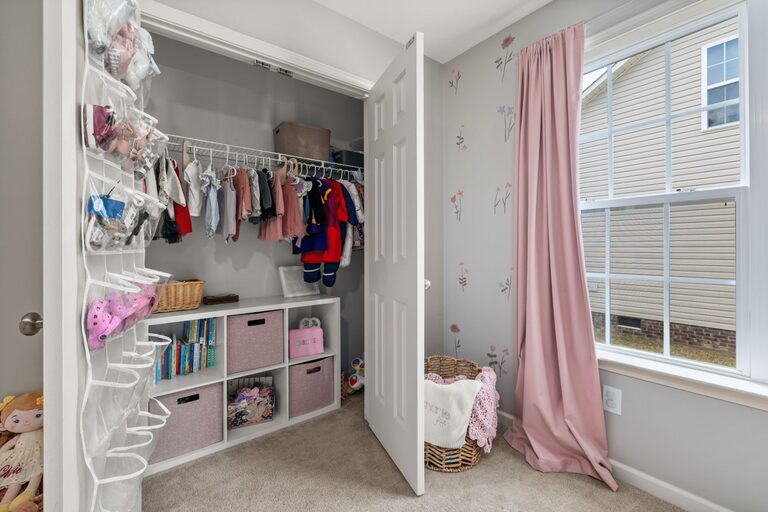
Every parent or caregiver knows how quickly kids’ artwork can pile up. From finger paintings to school projects, children’s art is a wonderful way to encourage creativity and self-expression. However, without an organized system, these precious pieces can quickly lead to clutter and stress. Keeping kids’ art organized not only helps maintain a tidy home but also preserves memories and encourages your child’s artistic growth. Here are some practical and easy tips to help you manage and organize your child’s artwork effectively.
Why Organize Kids’ Art?
Before diving into the tips, it’s helpful to understand the benefits of organizing your child’s art:
– Preserves Memories: Artwork captures moments in your child’s development and creativity.
– Reduces Clutter: Organized art means less mess and more space at home.
– Encourages Creativity: Displaying and storing artwork thoughtfully can motivate kids to keep creating.
– Teaches Responsibility: Involving children in organization helps them value their work and learn tidiness.
Choose a Dedicated Art Storage Space
Start by selecting a specific spot in your home to keep all art supplies and finished projects.
Options for Art Storage Areas
– Art Bins or Boxes: Use large plastic bins or decorative boxes labeled with your child’s name.
– File Folders or Expanding Files: Great for flat artwork like drawings and worksheets.
– Portfolios: Artist portfolios can keep larger pieces neat and protected.
– Shelves or Cabinets: Designate a shelf to hold art books, supplies, and organized bins.
Keep this area accessible so your child can participate in storing and finding their creations easily.
Set Limits on What to Keep
It’s tempting to save everything, but too many items can become overwhelming.
How to Decide What to Keep
– Highlight Favorites: Keep pieces that show significant effort, milestones, or your child’s favorite works.
– Involve Your Child: Ask them which pieces they want to keep.
– Rotate Displays: Put some art on display temporarily, then store or recycle older pieces.
Establishing limits encourages thoughtful choices and helps avoid unnecessary clutter.
Create an Art Display Area
Displaying your child’s current artwork boosts their confidence and personalizes your home.
Display Ideas
– Bulletin Board or Corkboard: Easy to swap out new pieces.
– String and Clips: Hang a string or wire with clothespins for a casual gallery.
– Framed Rotating Gallery: Use frames to highlight seasonal or special artworks.
– Digital Display: Consider using a digital photo frame dedicated to scanning and showing artwork images.
Rotating displays keep the art fresh and show your child that their efforts are valued.
Digitize Artwork for Long-Term Storage
For pieces that you can’t keep physically but want to remember, digital storage is an excellent option.
How to Digitize
– Scan or Photograph: Use a scanner or smartphone camera to capture each piece.
– Organize Files: Create folders by year, child’s name, or art type on your computer.
– Create Digital Albums: Use photo books or online galleries to compile artwork.
– Backup: Store files in cloud storage to keep them safe.
Digitizing saves space while creating a permanent record of your child’s creativity.
Make Art Organization a Family Activity
Getting your child involved in the process can make it fun and teach organizational skills.
Tips for Family Involvement
– Sort Together: Go through artwork regularly and decide what to keep or recycle.
– Label and Store: Help your child label art boxes or files.
– Create Projects: Use old artwork to make greeting cards, collages, or wrapping paper.
– Celebrate Art Days: Set a time to showcase and discuss their latest creations.
Turning organization into a shared activity gives your child ownership and pride.
Use Creative Storage Solutions
There are many innovative products designed specifically for storing kids’ artwork.
Helpful Tools and Ideas
– Accordion Folders: Compact and expandable for various sizes.
– Art Apps: Apps designed to store and organize digital images of artwork.
– Rolling Carts or Trolleys: Portable storage with compartments for supplies and current projects.
– Repurposed Items: Use magazine holders, photo albums, or clipboards to keep art neat.
Explore what works best for your space and lifestyle.
Regularly Review and Refresh
Art organizing isn’t a one-time task. Make it a regular habit to keep things manageable.
Suggested Routine
– Monthly or Quarterly Review: Set aside time to sort new creations.
– Seasonal Cleanups: Refresh displays and storage with the change of seasons.
– Celebrate Completion: When art is removed or stored, celebrate the progress.
Consistency keeps your system effective and reduces the chance of buildup.
Final Thoughts
Organizing kids’ art doesn’t need to be complicated or time-consuming. With a dedicated space, thoughtful sorting, creative displays, and some digital tools, you can keep your child’s masterpieces in order while treasuring their creativity. Remember, the goal is to enjoy the process and celebrate your child’s artistic journey — clutter-free!
By implementing these tips, you’ll create a clutter-free, inspiring environment that honors your child’s creativity and makes your home more organized and inviting. Happy organizing!